







 Natural History Seasonal Highlights
Seasonal Highlights
All Year
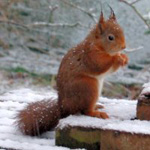
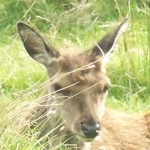
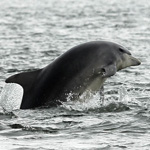
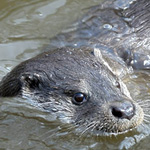
A visit to Arran at any time of year will reward the wildlife watcher and there are plenty of highlights to be seen all year round. Seals in particular can be found around the coast at any time of year, and haul out on rocks along sheltered coasts at low tide. Other mammals such as red deer, otters, red squirrels, badgers and even porpoises are also active all year round. Red throated divers can be seen all year round off the coasts of Arran and these are joined by black throated and great northern divers outside the breeding season. One of Arran’s most charismatic and visible birds year round is the oystercatcher which can be found almost anywhere along the coast. Grey herons are also a common sight fishing in sheltered bays.
Certain months are particularly good for viewing particular things- and these are summarised below.
 January
Often viewed as a quiet month, January is actually a great time for seeing our winter visitors such as greylag geese, whooper swans, and waders such as purple sandpiper. It is at this time of year that ravens begin their spectacular courtship displays. The bare trees are ideal for the study of woodland lichens.
February
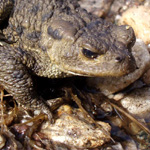
Many of our winter visitors are still here, but spring is just around the corner and the first flush of spring flowers are appearing in the verges and woodland clearings. Eiders are displaying in sheltered bays, and golden eagles are displaying in the mountains. Toads and frogs emerge from hibernation and begin to breed. The first gannets begin to return and can be seen round the coast diving for fish.
 March
March
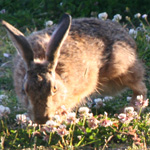
Eiders and eagles continue to display and are joined by other breeding birds such as red breasted mergansers. Our summer migrants begin to arrive at the end of the month, including wheatear, chiffchaff and sand martin. Common sandpipers arrive at their breeding areas on the coast. Mating hares are particularly active as are adders and lizards that are emerging from hibernation. Large numbers of toads congregate in wet, marshy areas to mate.
 April
April
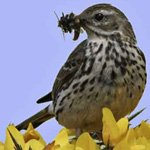
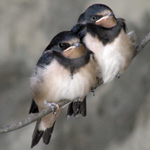
The spring flowers are in full swing by April and the first bluebells and red campion are blooming. Our summer migrants arrive in force and the songs of cuckoos and willow warblers can be heard all over the island. The first swallows arrive. Hen harriers are performing their spectacular skydancing territorial flights.
 May
May
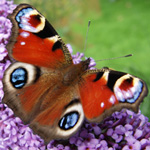
The bluebell display is at its height in May as is the hawthorn (mayflower) blossom, which fills the air with its sweet scent, while the woods are filled with the scent of wild garlic. The first orange tip butterflies emerge and lay their eggs on cuckooflower. The moorland starts to come to life where Green hairstreak butterflies emerge on warm sunny days and bog myrtle’s beautifully scented leaves begin to open out. Cuckoos continue to call in the woods, and whimbrel arrive on their passage to their breeding grounds in Orkney and Shetland.
 June
June
In June, many of the highlights of May continue. Ragged robin joins the hedgerow floral display and heath spotted orchids emerge on the verges and moors. Birds of prey such as hen harrier are very active as they hunt to feed hungry young. Cinnabar moths emerge and lay their eggs on ragwort. By the end of June, common seals have begun their pupping season.
 July
July
In July, many of the moorland and mountain plants begin to flower, including bog asphodel, bog cotton, and the harebell or Scottish bluebell. The northern eggar moths are flying and laying their eggs on heather moorland. This is also peak midge season, which whilst bad news for humans, is great news for bats, swallows and house martins. Basking sharks begin to gather in the waters around Arran, feeding on the plankton blooms at the surface of the water on calm days.
 August
August is the peak season for flowering moorland plants and when the hills are carpeted with the purples and pinks of blooming heather. Other flower highlights include devils bit scabious, found in poor grassland, and grass of Parnassus, a flower of the boggy coastal areas. The scotch argus butterfly is on the wing.
The breeding season is nearing an end, and newly fledged golden eagles, hen harriers and other birds of prey can be seen testing their flight skills. Offshore, flocks of moulting red breasted mergansers gather, and manx shearwaters can be seen on passage. August is also a good time for seeing basking sharks, and the still waters can be great for viewing minke whales.
 September
September is a time to expect the unexpected as passage migrants stop over on Arran on route to their wintering grounds. Flocks of kittiwakes gather in the Clyde and manx shearwaters are still seen. Basking sharks make a brief re-appearance before disappearing on their mysterious winter journeys. On land, autumn fruits and fungi provide a bounty for birds and red squirrels. Highlights include brambles, sloes and the abundant red berries of the hawthorn. The red deer rut begins to get underway.
 October
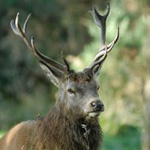
The Autumn colours on Arran are not to be missed, whether you enjoy woodlands or the red hues of the moorland. The red deer rut is in full swing, and the glens ring with the roaring of stags. This continues to be a bountiful time for wildlife with lots of hawthorn berries and fungi. The greylag geese return to feed fields in lowland areas.
 November
Passage visitors continue to pass through in November and our winter visitors are arriving. Highlights include flocks of lapwing and golden plover. Small flocks of snow buntings can be seen in the high hills.
December
In December, the coasts are great for viewing winter visitors. Highlights include waders such as redshanks, greenshank and grey plover and wildfowl such as goldeneye, wigeon and greylag geese. The short days also make this a good time to spot wintering woodcock. If we are lucky, a flock of waxwings may visit berry laden bushes around the island!