Natural History Habitats Habitats - Beaches
Habitats - Beaches
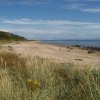
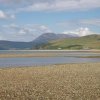
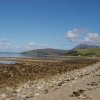
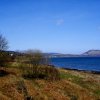
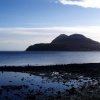
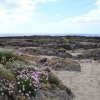
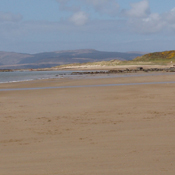 The geology of the rocks, the action of the waves and the ebb and flow of the tide all combine to provide a variety of different beach habitats round Arran.
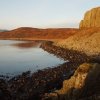
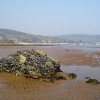
At high tide the beaches are predominantly shingle with sections of very hard igneous rock protruding from the beach or visible above the sea, as the tide ebbs (falls) it can reveal a wealth of complex habitats.
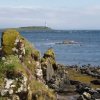
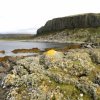
Along the Kildonan shore dykes of igneous rock run out to sea, between which are sandy areas. Each of these substrates and the rockpools left behind by the tide supports an abundance of flora and fauna such as crabs, anemones and various seaweeds (algae), most of which are unique to these intertidal areas.
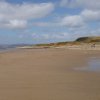
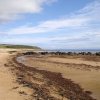
Sandy beaches appear to be a less attractive habitat but, below the high tide mark, actually support billions of microscopic lifeforms and the larger animals that feed on them under the surface like lugworms which are responsible for the wormlike piles of sand you see. In turn these are fed on by a variety of wading birds such as Oystercatcher, Curlew and Ringed Plover.