Natural History Habitats Habitats - Woodland
Habitats - Woodland
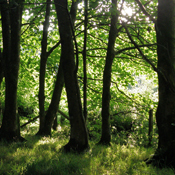 Smaller pockets of natural woodlands survive all over the Island, particularly along the sides of burns including those inside the forestry plantations.
Characteristics
The extensive Forestry Commission plantations of conifers grown as a commercial crop are the largest areas of woodland on Arran. Although in the depths of the regimented lines of trees there is little in the way of wildlife at ground level (Red Squirrels and birds such as Crossbills utilise the bounty of pine cones in the tree tops); around the margins and along the numerous fire breaks, footpaths, tracks and burns that cut through the forests many other species of trees, shrubs and plants thrive creating a variety of wildlife habitats. Areas where clear felling has taken place may look stark and devoid of life initially, but within weeks it begins to change. Long dormant seeds germinate; others blow in or are carried in by birds and animals, and after only a year or two new wildlife rich habitats are created.
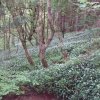
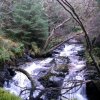
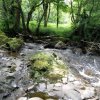
Smaller pockets of natural woodlands survive all over the Island, particularly along the sides of burns including those inside the forestry plantations. A mixture including birch, rowan, alder, willow, sycamore and ash create a less dense environment than that of the planted conifers where a much wider variety of plants, birds, animals and insects may be found.
Where
Forestry Commission plantations are located in several areas. The Dyemill Forest between Lamlash and Kilmory is best accessed from The Ross Road Lamlash. Others are located on both sides of the road between Lamlash and Brodick; North Glen Sannox, Shiskine, and Machrie including the Kings Caves walk.
Look for the smaller areas of natural woodland tucked away along many burnsides; the most easily accessible are probably those within the coniferous forests.
Brodick Castle gardens owned by The National Trust for Scotland have beautiful woodland areas which include a mixture of specimen trees and shrubs from all over the world.
Species Highlights
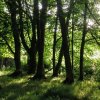
Red Squirrels and Badgers make their homes in the woodlands, as do a wide range of birds including Crossbills, Tree Creepers, Goldcrests, Woodcock, Barn Owls and Sparrow Hawks. Carpets of Snowdrops, Bluebells and Wild Garlic thrive alongside delicate Wood Anenomies, Coltsfoot and Celandine. Look for trees draped with lichens, and discover magical sunlit clearings with huge cushions of mosses, and a wide variety of ferns including King Fern, Harts Tongue and Maidenhair. Some bracket fungi can found on living trees, but there are also many different varieties to be found growing on fallen deadwood and on the ground; from Fly Agaric, the colourful classic red toadstool with white spots, to the delicious edible Chanterelles. Insects to be found include a wide variety of beetles, moths and butterflies.
When Highlights
Springtime is heralded by the early snowdrops followed by Bluebells in April and May with the Wild Garlic following on. These large rafts of colour form a backdrop to a myriad of other beautiful wild flowers scattered throughout the less dense areas of woodland where trees such as Rowan, Hawthorn and Crab Apple are also in blossom. Many birds are to be seen and heard in the more open areas including the tiny Wrens, Bull finches, and Song Thrushes. Orange Tip butterflies appear in April. The Red Squirrels are often seen chasing each other as they pair to breed.
Summer brings the Brambles, Wild Roses, Honeysuckle, Foxgloves, into flower along with Willowherb, Meadowsweet and Ragwort in open areas attracting bees, butterflies and other insects which are at their most numerous. In the daytime Swallows and sometimes House Martins gather in large numbers over the open felled areas hunting insects for their young. At Dusk bats take over, and both Pipistrelle and Long Eared Brown Bats can be seen swooping in, around and above the woodlands.
Autumn is the time when most fungi appear, and can found in such large numbers they are as spectacular as flowers. They add to the colour of the autumn leaves, Blackberries, Rosehips, Rowanberries, Crab Apples and Haws as the deciduous shrubs and trees fruit and begin to shut-down for the winter. Red Squirrels are more often seen on the ground searching for fallen nuts and seeds to store for the winter.
Winter brings migrant flocks of Redwings, Fieldfare and Waxwings to Arran when they may be seen feeding on any remaining fruits and berries of the woodlands.